Piedmont Dental  ·  Dental Bonding

Dental Bonding

Bonding repairs a chipped or gapped tooth with tooth-colored resin, sculpted by hand and polished until it disappears into the smile around it. Dr. Ben Areheart does the work himself at our office on Constitution Blvd, and you'll have the cost in front of you before anything starts.

Book your appointment

Step 1 of 3

This field is for validation purposes and should be left unchanged.

Prefer to talk? Call (803) 328-3886.

★★★★★5.0 from 400+ patientsOr call (803) 328-3886
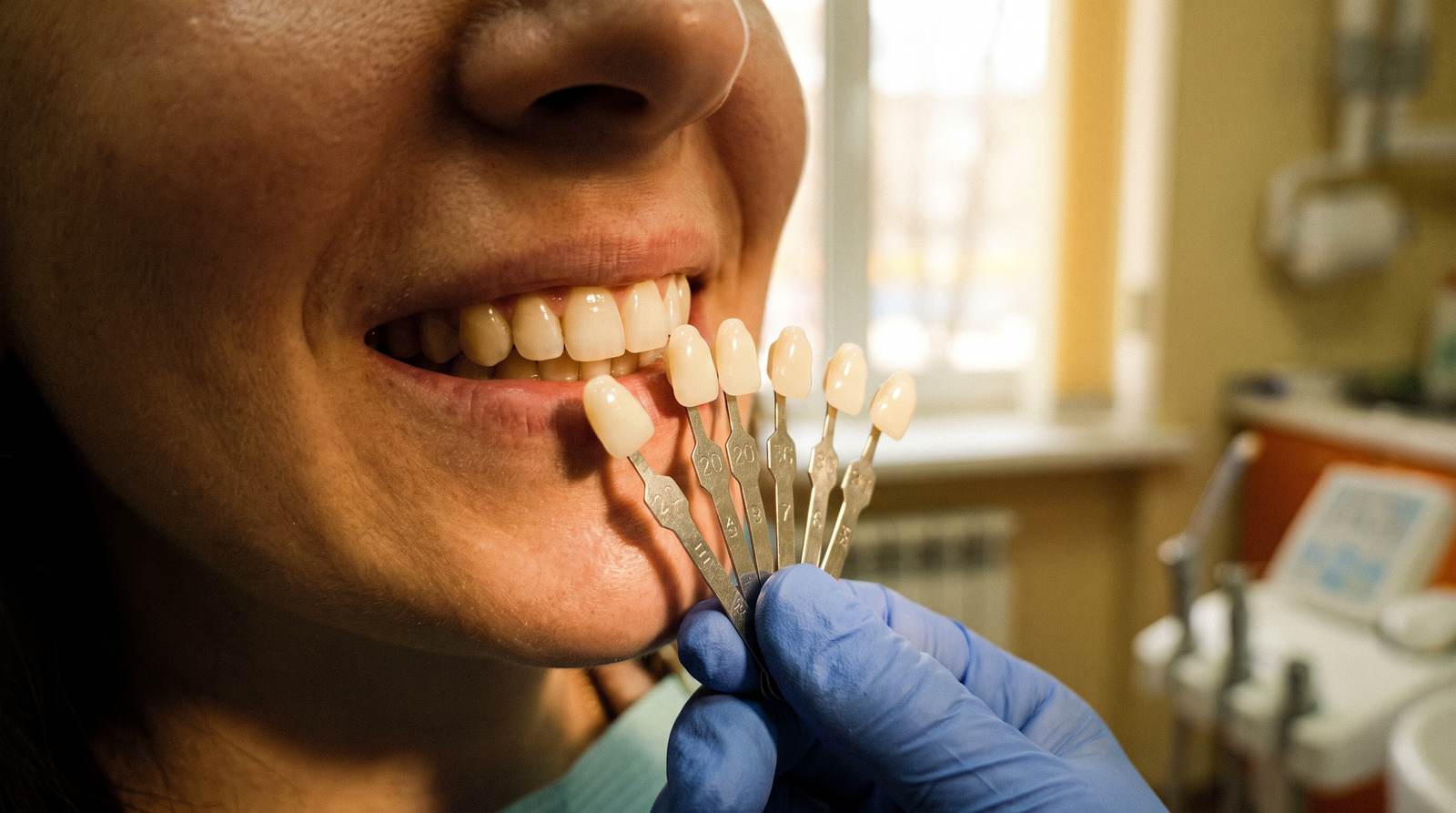
Matching the composite shade for dental bonding in Rock Hill
What bonding can fix

Small problems, simple fixes

Bonding is the conservative option. No drilling away healthy tooth, no lab work, no second appointment. These are the jobs it handles best.

Chipped Teeth

A corner knocked off a front tooth is the classic bonding case. Dr. Areheart rebuilds the missing piece in resin and blends the repair until you stop noticing it.

Gaps Between Front Teeth

A narrow space between two front teeth can often be closed in a single sitting, with no tooth movement involved.

Worn or Uneven Edges

Grinding and age wear front teeth flat over the years. Resin restores the length and evens out the smile line.

Stains That Won't Whiten

Some deep spots ignore bleaching entirely. Bonding covers them. If overall color is the real issue, professional whitening is usually the better first step.

Misshapen or Short Teeth

A tooth that grew in small or oddly shaped can be built out in resin to match its neighbors.

Exposed Roots

When gums recede, the root surface underneath is sensitive and darker than enamel. Bonding covers and protects it.

White-knuckle patient?

Bonding is about as gentle as dentistry gets, and most visits need no numbing at all. If any dental chair still makes you tense, IV sedation is available so you can relax through the appointment.

What to expect

How a bonding visit goes

It starts with color. Dr. Areheart holds a shade guide next to your tooth and picks a resin that matches it, because a repair that sits even half a shade off will catch your eye every morning.

The tooth surface gets lightly textured and painted with a conditioning liquid so the resin grips. Then the resin goes on soft, about the consistency of putty, and he sculpts it into the missing corner or over the gap. A small curing light hardens each layer in seconds.

Last comes the finish work: trimming, smoothing and polishing until the repair carries the same sheen as the enamel beside it. You check it in the mirror before you leave.

The short version

Plan on 30 to 60 minutes per tooth. Most cosmetic bonding needs no numbing. There's no recovery period, so you can eat lunch right afterward. Most cases are done in a single appointment, with nothing sent off to a lab.

The cost question

What dental bonding costs

It depends on the tooth. One small chip is a different job than rebuilding the edges of four worn teeth, and bonding that repairs a broken or decayed tooth is priced differently than a purely cosmetic touch-up.

Here's what won't change: Dr. Areheart looks at the tooth first, tells you what he would recommend, and you see the exact cost before he starts. If a crown would serve the tooth better long term, he'll say so rather than sell you bonding twice.

Will insurance help?

Sometimes. Purely cosmetic bonding usually isn't covered, but bonding that repairs a damaged tooth often is. We file almost all insurances if your plan allows out of network providers. Our front desk will help with your specific situation.

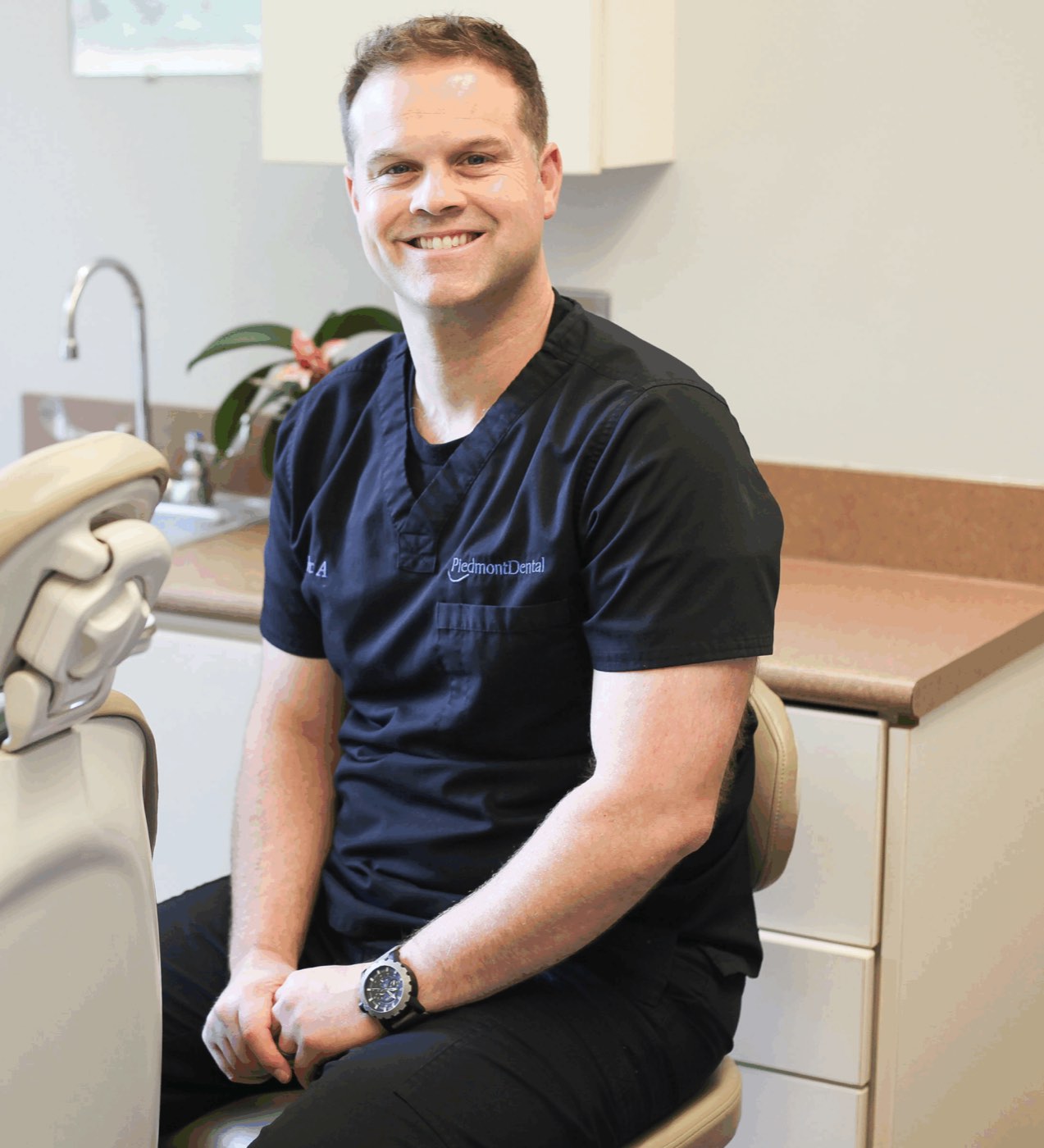
Dr. Ben Areheart of Piedmont Dental in Rock Hill, SC
Who does the work

Dr. Ben Areheart, DMD

Dr. Areheart earned his dental degree at the Medical University of South Carolina in 2011, then served as a captain in the U.S. Air Force, where his residency included advanced training in cosmetic and restorative dentistry. He came to Piedmont Dental in 2014 and has practiced here ever since.

Bonding rewards a steady hand and a good eye for color, and reviews of his work keep circling back to one word: gentle. Away from the office he's a dad of three who'd rather be hunting or fishing.

Most bonding patients stick around afterward for cleanings and checkups, and that's the point. We're a family dentist first. Cosmetic repairs are one part of looking after the whole mouth.

MUSC College of Dental Medicine, 2011 U.S. Air Force residency At Piedmont since 2014
Common questions

Dental bonding FAQs

How long does dental bonding last?

Usually somewhere between 5 and 10 years, depending on where the bonding sits and how you treat it. Chewing ice or biting fingernails will shorten that. When a repair eventually chips or dulls, touching it up is quick and doesn't mean starting over.

Does bonding hurt?

Cosmetic bonding almost never needs numbing, since nothing is drilled into healthy tooth. If bonding is being used to repair a cavity, Dr. Areheart numbs the area first. Either way, you shouldn't feel a thing.

Will the repair match my tooth color?

That's the whole craft. The resin shade is matched against your tooth before anything goes on. One note: resin doesn't respond to whitening, so if you're thinking about brightening your smile, whiten first and bond to the new shade.

When is a crown better than bonding?

When too much tooth is missing. Bonding rebuilds corners and edges, but it isn't strong enough to hold together a badly broken or cracked tooth. In those cases a crown protects what's left. Dr. Areheart will tell you plainly which one your tooth needs.

Can bonded teeth stain?

Over time, yes. Coffee, tea, red wine and tobacco can gradually dull the resin, and unlike enamel it can't be bleached back. Regular cleanings help, and polishing or redoing a small bonded spot is a simple fix.

Ready to stop noticing that tooth?

Call the office and describe what's going on. the front desk will get you a time with Dr. Areheart, and most bonding cases are finished in that one visit.

Call (803) 328-3886
1562 Constitution Blvd #101, Rock Hill, SC 29732 · Monday through Thursday, 8:00 to 5:00