
What type of dentist is best for bridges?

Understanding Dental Bridges
A dental bridge is a common restorative procedure designed to replace one or more missing teeth. This essential dental solution not only bridges the gap created by missing teeth but also restores functionality and aesthetics. Dental bridges can significantly improve your ability to chew, speak, and smile confidently. They come in various types, including traditional bridges, cantilever bridges, Maryland bridges, and implant-supported bridges, each designed to cater to different needs and preferences.
What Type of Dentist is Best for Bridges?
When it comes to getting dental bridges, not all dentists are created equal. The best type of dentist for bridges is typically a general dentist with experience in restorative dentistry or a prosthodontist. Here’s a closer look at both options:
General Dentists

Many general dentists perform dental bridge procedures. They can diagnose your dental issues, recommend suitable treatments, and carry out the bridge placement. If you’re visiting a general dentist for a bridge, it’s essential to ensure they have ample experience and training in restorative procedures. Look for dentists who have completed additional continuing education courses related to restorative dentistry, as this indicates a commitment to staying current with advancements in the field.
Prosthodontists
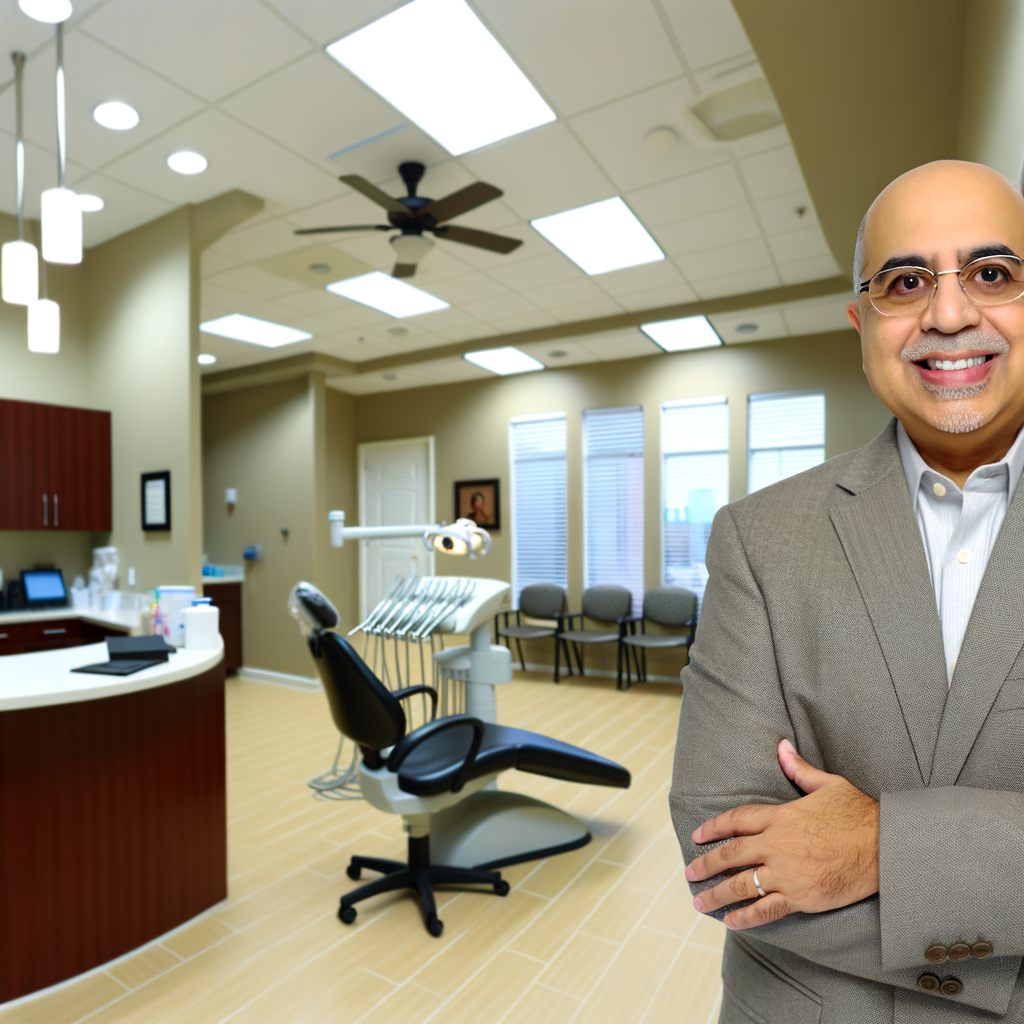
Prosthodontists are specialists in restoring and replacing teeth. They undergo additional training beyond dental school, focusing specifically on dental restorations, including bridges, crowns, dentures, and implants. These specialists are particularly skilled in complex cases, such as those involving significant tooth loss or severe bite issues. If your case is complex or you have specific needs regarding aesthetics or functionality, a prosthodontist may be the best choice. Prosthodontists typically have a deeper understanding of the materials used in dental bridges and can customize solutions that blend seamlessly with your existing teeth.
Factors to Consider When Choosing a Dentist for Bridges
Choosing the right dentist for your dental bridge is crucial for achieving the best results. Here are several factors to consider:
- Experience: Look for a dentist with a proven track record in placing dental bridges. Ask about their experience, especially with cases similar to yours. You can even request before-and-after photos of previous patients.
- Specialization: If your case requires intricate work, consider a prosthodontist. Their specialized training can be beneficial, especially for patients with unique dental needs.
- Patient Reviews: Check online reviews and testimonials from previous patients. Sites like Google, Yelp, and health-related forums can provide insight into the dentist’s skills and bedside manner. Consider seeking recommendations from friends or family as well.
- Consultation: Schedule a consultation to discuss your options. This meeting can help you gauge the dentist’s approach, assess their communication style, and determine whether you feel comfortable with their treatment plan.
- Technology and Techniques: Inquire about the technology and techniques the dentist uses. Modern techniques can enhance the quality and longevity of your bridge. Dentists who use digital impressions and CAD/CAM technology can often provide a more accurate fit and faster turnaround.
The Process of Getting a Dental Bridge
The process of getting a dental bridge typically involves several appointments and steps, which may vary depending on the complexity of your case and the dentist’s approach. Here’s an overview:
Initial Consultation
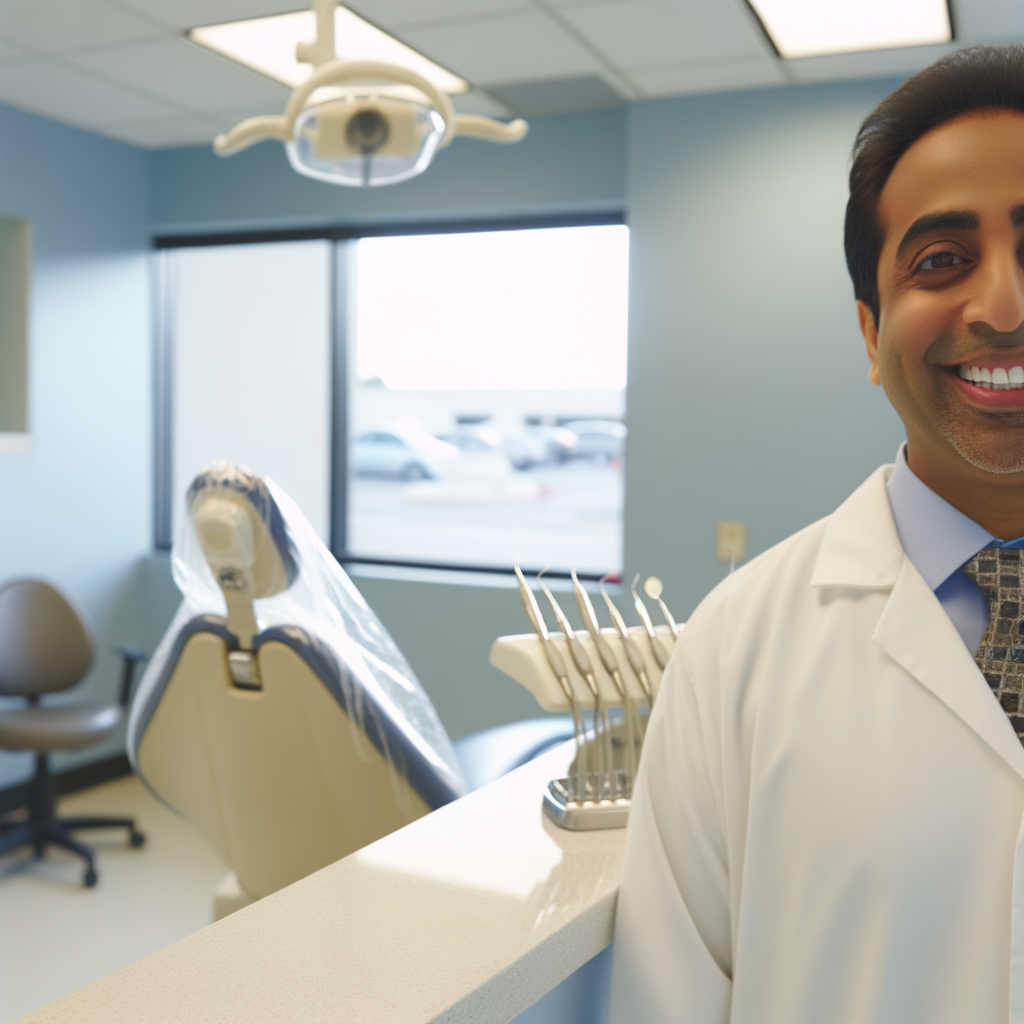
The first step is an initial consultation where the dentist will examine your mouth, take X-rays, and discuss your dental history. They will then determine whether a bridge is the right solution for you. During this visit, be sure to ask about all your options, including the type of bridge that may be best suited for your situation.
Preparation
If a bridge is deemed suitable, the dentist will prepare the adjacent teeth by filing them down to accommodate the crowns that will anchor the bridge. This preparation is crucial for the bridge’s stability and longevity. Your dentist may also discuss the type of material that will be used for the bridge, as this can affect both the appearance and durability of the restoration.
Impressions
After preparation, impressions of your teeth will be taken. These impressions will be sent to a dental laboratory, where your custom bridge will be created. This process can take a few weeks, during which your dentist may provide you with temporary restorations to maintain your smile and protect your prepared teeth.
Temporary Bridge
While waiting for your custom bridge, your dentist may place a temporary bridge to protect the prepared teeth and maintain your smile. Temporary bridges are usually made of acrylic and are designed to be functional until your permanent bridge is ready.
Placement of the Final Bridge
Once your custom bridge is ready, you’ll return to the dentist’s office for placement. The dentist will ensure it fits properly, make any necessary adjustments, and secure it in place. This step is critical to ensure that the bridge functions well and feels comfortable in your mouth.
Cost of Dental Bridges
The cost of dental bridges can vary significantly based on several factors, including the type of bridge, materials used, and the dentist’s experience. On average, a dental bridge can cost between $1,000 to $3,000 per unit. However, considering potential additional expenses, you might expect this to range from $1,200 to $3,600 or more. It’s important to consult with your dentist and your dental insurance provider to get accurate estimates and understand your coverage options.
Insurance and Financing Options
Many dental insurance plans cover a portion of the costs associated with bridges. However, the coverage may vary, so it’s essential to check your specific plan. Additionally, many dental offices offer financing options or payment plans to help manage the costs of dental procedures. In Rock Hill, SC, some local dental practices may offer in-house financing or work with third-party financing companies to ensure that financial concerns do not hinder your access to necessary dental care.
Aftercare for Your Dental Bridge
Taking care of your dental bridge is essential for its longevity. Here are some aftercare tips:
- Maintain Good Oral Hygiene: Brush your teeth at least twice a day and floss daily, paying special attention to the area around the bridge. Use an interdental brush or floss threaders to clean around the bridge effectively.
- Regular Dental Check-ups: Schedule regular visits with your dentist to monitor the condition of your bridge and overall oral health. Your dentist can identify any potential issues early, ensuring your bridge lasts as long as possible.
- Avoid Hard Foods: Be cautious with hard foods that could damage your bridge. Cut food into smaller pieces to minimize stress on the bridge and reduce the risk of accidental damage.
- Address Issues Promptly: If you experience pain or discomfort with your bridge, contact your dentist immediately to address any issues. Early intervention can prevent more extensive problems down the line.
- Stay Hydrated: Drinking plenty of water can help maintain saliva production, which is essential for oral health. Saliva helps wash away food particles and neutralizes acids produced by bacteria in your mouth.
Conclusion
Choosing the right dentist for your dental bridges is vital to achieving a successful outcome. Whether you opt for a general dentist or a prosthodontist, ensure they have the necessary experience and expertise in restorative dentistry. A well-placed dental bridge can significantly enhance your quality of life, allowing you to eat, speak, and smile with confidence.
If you’re in Rock Hill, SC, and are considering a dental bridge, Piedmont Dental can help guide you through the process, offering personalized care tailored to your needs. Their team is dedicated to ensuring you receive the best possible treatment, so you can enjoy a healthy, beautiful smile for years to come.
Related Resources
- Piedmont Dental – Dentist in Rock Hill
- Understanding Dental Implants
- Common Dental Procedures Explained
- Tips for Maintaining Oral Health
- How to Choose the Right Dental Care Provider
Visit Piedmont Dental
Piedmont Dental – Dentist in Rock Hill
1562 Constitution Blvd #101, Rock Hill, SC 29732
(803) 328-3886 | piedmontdentalsc.com